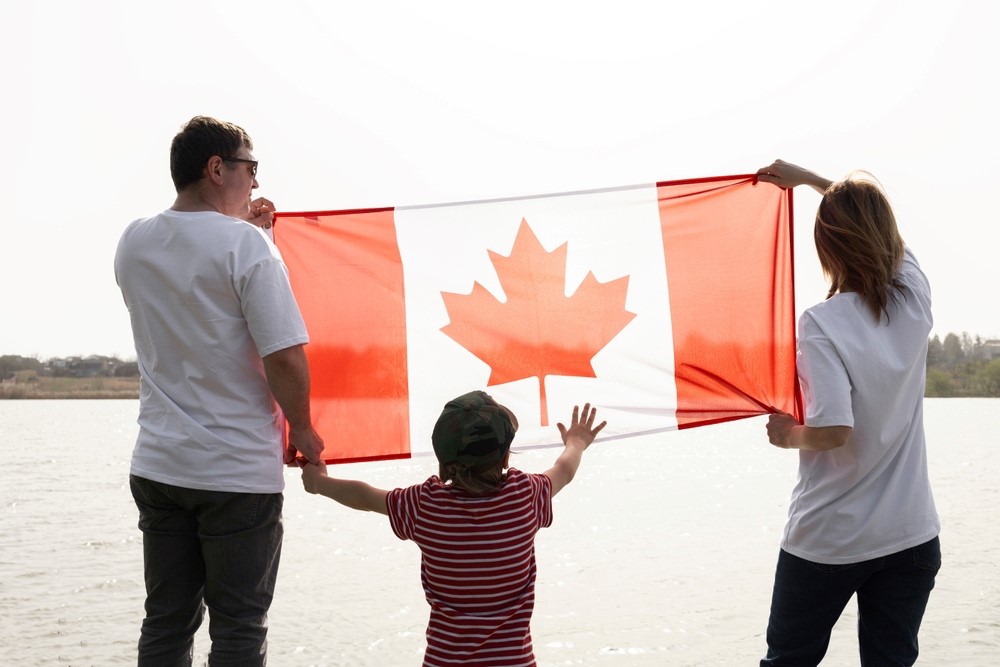
Family reunification remains one of the strongest pillars of Canadian immigration. In 2025, the Government of Canada continues to prioritize bringing families together, streamlining processes, and offering clearer pathways for permanent residency. Whether you are planning to sponsor a spouse to Canada, bring dependent children, or apply for PR through family sponsorship, understanding the process is crucial for a smooth and successful family class immigration application.
This guide breaks down everything you need to know about family class immigration in 2025 — including eligibility, documentation, timelines, processing improvements, and practical tips to avoid delays. Whether you’re sponsoring a spouse, parents, or dependent children, this step-by-step outline will help you navigate every stage confidently.
1. What Is Family Class Immigration?
Family class immigration is one of Canada’s core immigration categories. It allows Canadian citizens and permanent residents to sponsor close family members for permanent residency. The goal is to help families live together, settle together, and build long-term futures in Canada.
As of 2025, family sponsorship programs are more streamlined than ever, thanks to digital forms, expanded online submissions, and updated portals. The government continues to emphasize fast reunification while maintaining strict eligibility checks to prevent fraud or misrepresentation.
2. Who You Can Sponsor Under Family Class Immigration
Canada allows sponsorship for the following family relationships:
Spouse, common-law partner, or conjugal partner
The most common type of sponsorship, often referred to as a sponsor spouse, Canada.
Dependent children
Children under 22 who are not married, or older children who cannot be financially independent due to a disability. These applications fall under the dependent visa Canada category.
Parents and grandparents
Through the annual PGP (Parents and Grandparents Program), which opens through a lottery system.
Other eligible relatives
In rare circumstances, Canadians may sponsor a sibling, nephew, niece, or orphaned grandchild under specific humanitarian exemptions. This wide range of categories ensures the family class immigration framework supports families of all sizes and circumstances.
3. Requirements to Become a Sponsor
To sponsor a family member, you must meet the following conditions:
-
Be at least 18 years old
-
Be a Canadian citizen or permanent resident
-
Not be in jail, bankruptcy, or under a removal order
-
Demonstrate the ability to financially support the applicant
-
Sign an undertaking to provide financial support for a set period
Sponsors bringing spouses or partners must show genuine relationship proof, while those sponsoring parents or grandparents must meet minimum income requirements.
In 2025, IRCC continues to use CRA income records for verification, ensuring faster processing for eligible sponsors.
4. Types of Sponsorship Applications
Spousal Sponsorship (Inside or Outside Canada)
For couples where the partner lives inside or outside Canada. Inside-Canada applicants may receive an open work permit during processing.
Dependent Visa Canada (Children’s Sponsorship)
Applies to biological or adopted children. Processing for dependents is usually faster than for other categories.
Parents and Grandparents Sponsorship
Limited by intake caps, requiring an invitation to apply.
Other Relatives
Only allowed in exceptional circumstances.
Understanding the correct category ensures proper documentation and prevents delays.
5. Step-by-Step Process for Family Class Immigration in 2025
Step 1: Confirm Eligibility
Before applying, verify:
- Your sponsorship eligibility
- Your family member’s admissibility
- You meet financial requirements (if applicable)
Step 2: Gather Required Documentation
Documents generally include:
-
Passports and IDs
-
Birth certificates
-
Marriage or partnership proof
-
Photographs
-
Police certificates
-
Medical exams
-
Financial proof
-
Supporting relationship evidence
In 2025, IRCC emphasizes strong digital evidence such as video calls, travel receipts, joint accounts, correspondence logs, and shared property documents.
Step 3: Submit the Sponsorship and PR Application
Most applications are now submitted through IRCC’s online portal. You must upload forms, supporting documents, and biometrics when requested.
Step 4: Biometrics and Background Checks
Applicants complete fingerprints, photos, and security checks. Delays often occur if biometrics appointments are not booked promptly.
Step 5: Medical Examination
Applicants must complete their medical exams through approved panel physicians.
Step 6: Processing and Additional Requests
IRCC may request:
-
Additional proof of relationship
-
Updated police certificates
-
Missing identities or forms
Responding quickly helps avoid delays.
Step 7: Application Decision
If approved, the applicant receives PR through family sponsorship, allowing them to become a permanent resident of Canada.
6. Processing Times for Family Class Immigration in 2025
Processing times can vary depending on the type of sponsorship:
-
Spousal sponsorship: 9–14 months
-
Dependent children: 6–11 months
-
Parents and grandparents: 2–3 years
-
Other relatives: varies widely
IRCC continues to improve speed by digitizing documents, using AI-assisted triage systems, and expanding staffing.
7. Common Reasons for Delays or Refusals
To avoid problems with family class immigration applications, be aware of common issues:
- Missing documents
- Insufficient relationship proof
- Incomplete financial forms
- Inconsistent information
- Outdated police certificates
- Failure to meet sponsorship obligations
- Background red flags
Hiring a regulated immigration consultant or lawyer can help ensure your application is accurate and complete.
8. Dependent Visa Canada: Requirements for Children
Child sponsorship remains one of the most straightforward processes.
Requirements include:
-
Biological or adopted relationship
-
Under 22 years old (unless unable to be financially independent due to disability)
-
Must be included in the PR application
-
Must pass medical and security checks
Dependent children who obtain a dependent visa in Canada receive permanent residency and enjoy the same benefits as other PR holders, including healthcare and education access.
9. Sponsor Spouse Canada: What IRCC Looks For in 2025
IRCC examines relationship authenticity carefully.
Strong evidence includes:
- Photographs over time
- Travel itineraries
- Communication history
- Shared finances
- Joint leases or property
- Family affidavits
- Proof of long-term commitment
Spousal sponsorship interviews may be required if inconsistencies appear.
10. Financial Responsibilities of a Sponsor
Sponsors must sign an undertaking agreeing to financially support the sponsored person.
Undertaking periods:
-
Spouse/partner: 3 years
-
Dependent child under 22: 10 years or until age 25
-
Parents/grandparents: 20 years
You cannot withdraw from this agreement even if the relationship changes after arrival.
11. Benefits of PR Through Family Sponsorship
Family-sponsored permanent residents receive:
- Access to universal healthcare
- Ability to live, work, and study anywhere in Canada
- Pathway to citizenship
- Job opportunities and protections
- Social benefits (if applicable)
This makes PR through family sponsorship a highly desirable and reliable pathway for newcomers.
12. Working While Waiting: Open Work Permits for Spousal Applicants
One of the biggest improvements in 2025 is faster access to open work permits for in-Canada spousal applicants.
Applicants may work legally before PR approval with an approved spousal open work permit. This reduces financial stress and helps families integrate more easily.
Conclusion
Family reunification remains a cornerstone of Canada’s immigration system. In 2025, family class immigration offers clearer pathways, faster digital processing, and more support for Canadian families bringing loved ones to the country. Whether you’re applying to sponsor a spouse in Canada, bring children through a dependent visa in Canada, or secure PR through family sponsorship, the steps outlined in this guide will help you navigate the process successfully.
With proper preparation, complete documents, and strong relationship evidence, your application can move smoothly — allowing your family to reunite and begin your new life in Canada with confidence.
FAQ’s
Q1. Who qualifies for family class immigration?
A: Eligible applicants include spouses, common-law partners, dependent children, parents, grandparents, and—in limited cases—other relatives. Both the sponsor and applicant must meet IRCC eligibility requirements to qualify.
Q2. How long does sponsorship approval take in 2025?
A: Spousal sponsorship averages 9 to 14 months, dependent children 6 to 11 months, and parents or grandparents may take up to 3 years. Processing times vary based on region and application completeness.
Q3. Can you work while waiting for PR approval?
A: Spousal applicants living inside Canada may qualify for an open work permit while their PR application is being processed. This allows them to work legally before receiving final approval.
Leave a Reply
You must be logged in to post a comment.