Author: min

  • Visitor Visa to Canada: Requirements, Duration & Extension Options

    Visitor Visa to Canada: Requirements, Duration & Extension Options

    Canada, renowned for its breathtaking landscapes, multicultural cities, and welcoming nature, continues to attract millions of tourists and temporary visitors annually. Whether you’re visiting family or attending a business event, a Canada visitor visa—also known as a Temporary Resident Visa (TRV)—is your key to entry.

    Understanding the requirements, validity, and visitor visa extension options can help ensure a smooth and stress-free travel experience. This guide will walk you through everything you need to know about the Canadian tourist visa process, including who is eligible, how to apply, and the duration of stay.

    What is a Canada Visitor Visa?

    A Canada visitor visa is an official document issued by Immigration, Refugees and Citizenship Canada (IRCC) that allows foreign nationals to enter Canada temporarily. This visa is required for citizens of certain countries who wish to visit Canada for tourism, family visits, business meetings, or short-term study programs (under six months).

    The visitor visa does not allow you to work or enroll in full-time study programs in Canada. It is strictly for temporary stays.

    Who Needs a Visitor Visa?

    If you’re from a country that is not visa-exempt, you must apply for a Canada visitor visa before traveling. Some countries only require an Electronic Travel Authorization (ETA) if arriving by air, while others require a full TRV.

    To find out if you need a visitor visa, you can check IRCC’s official list or consult with professional Canada visa consultants to determine your eligibility based on your nationality and purpose of visit.

    Requirements for a Canadian Visitor Visa

    To apply for a tourist visa for Canada, applicants must meet the following basic eligibility criteria:

    Valid Passport

    Your passport must be valid for the duration of your planned stay. In most cases, it should have at least six months of remaining validity.

    Proof of Financial Support

    You must demonstrate that you can support yourself (and any dependents) during your visit. This may include:

    • Bank statements
    • Employment letters
    • Proof of income
    • Sponsor letters (if someone in Canada is supporting you)

    Ties to Home Country

    The IRCC wants assurance that you will leave Canada at the end of your stay. You must show strong ties to your home country, such as:

    • Employment
    • Property ownership
    • Family commitments
    • Return tickets

    Purpose of Visit

    Clearly outline your purpose for visiting Canada. It could be tourism, visiting family or friends, or attending a business event. Supporting documents, such as an invitation letter or itinerary, are often required.

    No Criminal Record

    You must not pose a security risk to Canada. A police certificate may be requested to verify your background.

    Medical Exam (if required)

    Some applicants may be asked to undergo a medical exam, especially if they plan to stay for more than six months or come from a country with health concerns.

    How to Apply for a Visitor Visa to Canada

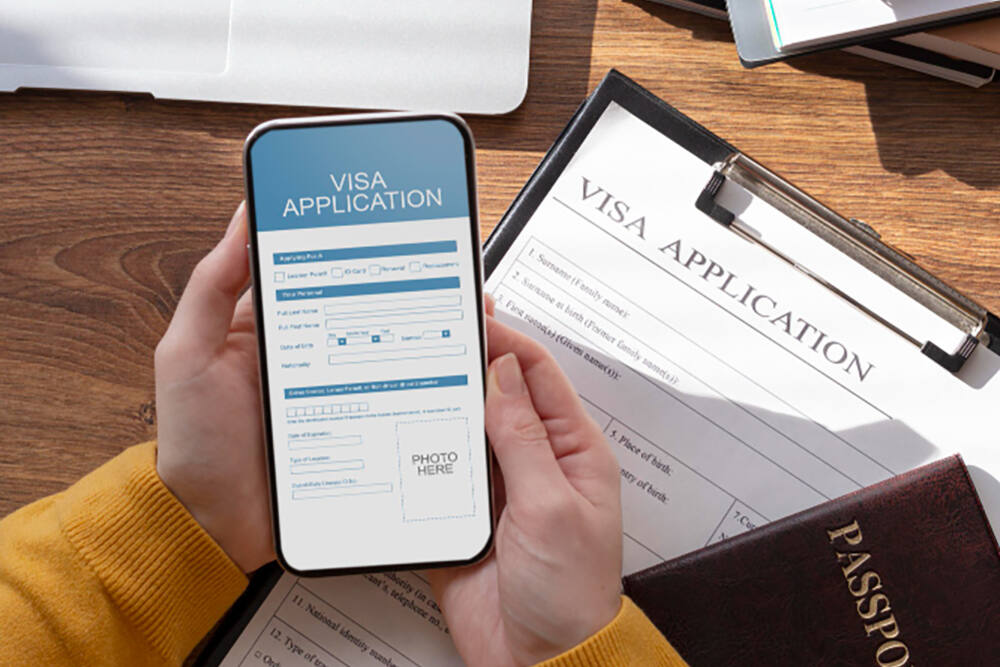
    You can apply either online or through a Visa Application Centre (VAC) in your country. Here’s a simplified breakdown of the application process:

    Step 1: Create an IRCC Account

    Visit the IRCC website to start an application and create a secure account.

    Step 2: Fill Out the Application Form (IMM 5257)

    Provide your personal details, travel history, employment information, and reason for visiting Canada.

    Step 3: Upload Supporting Documents

    Attach your passport, financial proofs, invitation letters, photographs, and any other required documents.

    Step 4: Pay the Visa Fee

    The fee for a single or multiple-entry Canada visitor visa is typically CAD 100, plus biometric fees if applicable.

    Step 5: Submit Biometrics

    If required, you will receive instructions to visit a VAC for fingerprinting and a photo.

    Step 6: Wait for Processing

    Processing time varies by country and season, but usually takes 2–8 weeks. Some applications may take longer if additional documents or interviews are required.

    Duration of Stay on a Visitor Visa

    Most Canadian visitor visas are issued as multiple-entry visas valid for up to 10 years or until your passport expires. However, each stay in Canada is generally limited to a maximum of six months per visit, unless a border officer specifies a shorter or longer period when you enter the country.

    You will be given a date stamp or a document (like a visitor record) stating how long you’re allowed to stay. If no stamp or document is given, you’re automatically allowed to stay for 6 months from the date of entry.

    Options for Visitor Visa Extension

    If you wish to stay longer than the permitted period, you must apply for a visitor visa extension (called a “Visitor Record”) at least 30 days before your authorized stay ends.

    To apply for a visitor visa extension, you’ll need to:

    1. Submit Form IMM 5708 (Application to Change Conditions, Extend Stay)
    2. Provide a reason for your extended stay (tourism, family care, etc.)
    3. Show that you have sufficient funds
    4. Pay the processing fee ($100)

    Once submitted, you may remain in Canada under implied status while waiting for a decision, even if your original visa period expires.

    Can You Convert a Visitor Visa to a Work or Study Permit?

    No, you cannot directly convert a Canada visitor visa to a work or study permit while inside Canada. You must leave the country and apply through the appropriate immigration stream. However, exceptions exist during special policy periods or for specific pilot programs. For current options, it’s best to consult with regulated Canadian visa consultants who are up-to-date on immigration policy changes.

    Tips for a Successful Visitor Visa Application

    Here are some valuable tips to increase your chances of approval:

    • Be honest in your application. Misrepresentation can lead to a 5-year ban.
    • Provide a clear itinerary showing your travel plans and accommodations.
    • If visiting family, include an invitation letter with their immigration status and contact information.
    • Show evidence of strong ties to your home country to reassure the visa officer you will return.
    • If possible, apply well in advance of your intended travel dates.

    Role of Canada Visa Consultants

    While the application process may seem straightforward, visa refusals are common due to incomplete documentation or failure to prove return intent. That’s where Canada visa consultants can add significant value.

    Professional consultants can:

    • Review your documents for completeness
    • Help draft strong letters of explanation
    • Advise on eligibility and strategy
    • Handle communication with IRCC on your behalf

    Working with an experienced consultant can boost your approval chances, especially if you have a complex case or previous refusals.

    Final Thoughts

    Canada remains one of the most welcoming and accessible countries in the world, and the Canadian visitor visa opens the door to exploring everything the nation has to offer. Whether you’re planning a family vacation, attending a conference, or visiting loved ones, understanding the tourist visa Canada process is crucial to a successful trip.

    By meeting the eligibility criteria, applying with accurate documentation, and exploring visitor visa extension options if needed, you can make the most of your stay in Canada. For added peace of mind, consider consulting with experienced Canada visa consultants to guide you through the process.

    FAQ’s

    Q1. How long is a Canadian visitor visa valid?

    A: A Canadian visitor visa is typically valid for up to 10 years or until your passport expires, allowing multiple entries with a maximum stay of six months per visit.

    Q2. Can I extend my tourist visa in Canada?

    A: Yes, you can apply for a visitor record at least 30 days before your current visa expires. This allows you to legally remain in Canada while your extension is processed.

    Q3. What are the requirements for a Canadian visit visa?

    A: Requirements include a valid passport, proof of funds, ties to your home country, purpose of visit, no criminal record, and sometimes a medical exam or invitation letter.

  • Top Study Visa Tips for Pakistani Students Applying to Canada

    Top Study Visa Tips for Pakistani Students Applying to Canada

    Canada has long been a dream destination for international students, and for good reason. With globally recognized universities, affordable tuition compared to other Western countries, and a multicultural environment, Canada offers excellent opportunities for academic and personal growth. For Pakistani students, the path to studying in Canada begins with securing a study visa—officially known as a Canada study permit.

    If you’re planning to apply for a study visa for Canada from Pakistan, this guide will walk you through the top tips to boost your chances of approval and make your journey smoother.

    Why Choose Canada?

    Before diving into the visa process, it’s important to understand what makes Canada a top study destination for students from Pakistan:

    • High-quality education is recognized worldwide
    • Opportunities for part-time work during studies
    • Post-graduation work permit (PGWP) eligibility
    • Safe, inclusive, and diverse society
    • Clear pathways to permanent residency

    Top Study Visa Tips for Pakistani Students

    1. Start Early and Research Thoroughly

    The application process can take several weeks or even months, so start your research at least 8–12 months before your intended intake. Explore programs, tuition fees, admission requirements, and university deadlines.

    Pro Tip: Apply to Designated Learning Institutions (DLIs)—only these schools qualify you for a Canada study permit.

    2. Secure a Letter of Acceptance (LOA)

    To apply for a study permit, you must first receive a Letter of Acceptance from a recognized DLI. Ensure your application to the university or college is complete, accurate, and tailored to the program you’re applying for.

    3. Show Strong Proof of Funds

    One of the biggest reasons for study permit refusals is insufficient financial documentation. You must prove that you can cover:

    • First-year tuition fees
    • Living expenses (approx. CAD 10,000–15,000/year)
    • Return travel costs

    Bank statements, income tax documents, sponsor letters (if applicable), and property ownership can all help demonstrate financial stability.

    4. Write a Compelling Statement of Purpose (SOP)

    Your SOP should clearly explain:

    • Why did you choose Canada
    • Why did you select a particular course and institution
    • Your career goals after graduation
    • Your intent to return to Pakistan (unless applying for PR later)

    Canadian visa officers use this to assess your motivation of your study plan.

    5. Be Honest and Accurate in Your Application

    Any false information or incomplete documentation can lead to delays or outright rejection. Ensure your academic transcripts, IELTS results, passport copies, and financial documents are accurate, updated, and professionally presented.

    6. Meet Language Requirements

    Most Canadian institutions require an IELTS score of at least 6.0–6.5 overall (with no band lower than 5.5). Meeting or exceeding these scores not only helps with admission but also strengthens your visa application.

    7. Apply Through the Student Direct Stream (SDS)

    Pakistani students are eligible for the Student Direct Stream, a fast-track visa processing system. To qualify, you must:

    • Be accepted into a DLI
    • Pay your first-year tuition up front
    • Purchase a Guaranteed Investment Certificate (GIC) of CAD 10,000
    • Take a medical exam and provide biometric data
    • Meet English proficiency requirements

    SDS applications are usually processed within 20 days.

    8. Get a Medical Exam Done Early

    A valid Immigration Medical Exam (IME) is mandatory for Pakistani applicants. Scheduling this early can save time later and prevent processing delays.

    9. Consult a Trusted Immigration Consultant (Optional)

    If you feel overwhelmed, consider working with a licensed immigration consultant familiar with Canadian student visa tips. They can help you structure your file, avoid mistakes, and increase your chances of approval.

    10. Stay Organized and Track Deadlines

    Keep a checklist and set reminders for application deadlines, document submissions, biometric appointments, and embassy visits. Small mistakes due to poor planning can derail your entire study plan.

    Life in Canada for Pakistani Students

    After arriving in Canada, you can:

    • Work up to 20 hours/week during semesters
    • Work full-time during scheduled breaks
    • Access health insurance (depending on the province)
    • Enjoy a safe, welcoming student community

    Plus, completing your studies in Canada opens the door to permanent residency pathways like the Canadian Experience Class (CEC) under Express Entry.

    Conclusion

    Applying for a study visa for Canada from Pakistan requires careful planning, attention to detail, and strong documentation. Whether you’re pursuing undergraduate, graduate, or diploma studies, these Canadian student visa tips will help you prepare an application.

    Remember: your Canadian education journey doesn’t just begin with a visa—it starts with a dream and a strong plan to make it real.

    FAQ’s

    Q1: How can I get a Canadian study visa from Pakistan?

    A: Start by applying to a DLI, securing your LOA, preparing financial documents, and applying through SDS or the regular stream.

    Q2: Which documents are needed for a study visa?

    A: You’ll need your passport, Letter of Acceptance, proof of funds, IELTS results, medical exam, SOP, and tuition payment receipts.

    Q3: What is the success rate of Canadian study permits?

    A: Approval rates vary, but SDS applications have a higher success rate—often over 70%—when all documentation is accurate and complete.

  • Canada PR Process Explained: Step-by-Step Guide for 2025 Applicants

    Canada PR Process Explained: Step-by-Step Guide for 2025 Applicants

    Dreaming of a new life in Canada? You’re not alone. Canada remains a top destination for immigrants worldwide, offering a high quality of life, diverse opportunities, and a welcoming society. If you’re planning to apply for Canada PR 2025, understanding the process is the first crucial step. The Canadian permanent residency (PR) system can seem complex, but by breaking it down into manageable stages, you can navigate your pathway to a new future.

    This comprehensive guide will provide a step-by-step breakdown of the Canada PR process for 2025, highlighting key programs and essential considerations for aspiring immigrants.

    Understanding Permanent Residency Canada

    Permanent residency in Canada grants you the right to live, work, and study in Canada. It provides access to most social benefits that Canadian citizens receive, including healthcare and social services. While it’s not citizenship, it’s the crucial stepping stone, allowing you to apply for Canadian citizenship after meeting specific residency requirements.

    Key Pathways to Canada PR in 2025

    Canada offers various immigration programs, each designed to attract different types of applicants. The most popular and common pathways for Canada PR 2025 include:

    Express Entry System

     This is the flagship system for skilled workers. It manages applications for three federal economic immigration programs:

      • Federal Skilled Worker Program (FSWP): For individuals with foreign skilled work experience.
      • Canadian Experience Class (CEC): For those with recent Canadian skilled work experience.
      • Federal Skilled Trades Program (FSTP): For skilled tradespeople with a valid job offer or certificate of qualification.

    Provincial Nominee Programs (PNPs)

    Provinces and territories can nominate individuals who meet specific local labour market needs. Many PNP streams are aligned with Express Entry, meaning a provincial nomination can significantly boost your Express Entry Comprehensive Ranking System (CRS) score.

    1. Family Sponsorship: Canadian citizens and permanent residents can sponsor eligible family members (spouses, common-law partners, dependent children, parents, and grandparents) to come to Canada.
    2. Business Immigration Programs: For entrepreneurs and investors looking to start or acquire a business in Canada. This includes the Start-Up Visa Program and various provincial business streams.
    3. Caregiver Programs: New caregiver pilots are being launched in 2025, providing a pathway to PR for eligible caregivers.
    4. Rural and Northern Immigration Pilot (RNIP) and Atlantic Immigration Program (AIP): These programs aim to attract skilled workers to specific smaller communities and the Atlantic provinces to address their unique labour needs.

    Step-by-Step Guide for Canada PR 2025 Applicants

    Regardless of the program you choose, the general process for applying for Canada PR 2025 follows a similar trajectory:

    Step 1: Determine Your Eligibility and Choose the Right Program

    This is the foundational step. Canada’s immigration system is points-based for many economic programs, particularly Express Entry Canada. You’ll need to assess your qualifications against the criteria of various programs. Factors typically considered include:

    • Age: Younger applicants generally score higher.
    • Education: Higher education credentials (degrees, diplomas) are valued.
    • Language Proficiency: Strong English and/or French language skills are crucial. You’ll need to take an approved language test (IELTS, CELPIP for English; TEF, TCF for French).
    • Work Experience: Skilled work experience (classified under Canada’s National Occupational Classification – NOC, now known as TEER categories) is vital.
    • Adaptability: Factors like previous Canadian work or study experience, a Canadian sibling, or a spouse’s qualifications can add points.
    • Proof of Funds: You must demonstrate you have sufficient funds to support yourself and your family upon arrival, unless you have a valid job offer.

    Utilize the official “Come to Canada” tool on the Immigration, Refugees and Citizenship Canada (IRCC) website to get an initial assessment of your eligibility for various programs.

    Step 2: Gather Required Documents

    Once you’ve identified your target program, start collecting all necessary documents. This is a critical stage, and any missing or incorrect documentation can lead to significant delays or even refusal. Common documents include:

    • Valid Passport and Travel Documents
    • Language Test Results: From an IRCC-approved organization (e.g., IELTS, CELPIP, TEF, TCF).
    • Educational Credential Assessment (ECA): For foreign education, ensuring it’s equivalent to Canadian standards.
    • Work Experience Letters: Detailed letters from previous employers outlining your duties, employment period, and salary.
    • Proof of Funds: Bank statements or other financial documents.
    • Police Certificates: From any country where you’ve lived for six months or more since turning 18.
    • Medical Exam Results: Conducted by an IRCC-approved panel physician.
    • Digital Photos
    • Identity and Civil Status Documents: Birth certificates, marriage certificates, etc.

    Ensure all documents not in English or French are accompanied by certified translations.

    Step 3: Create an Express Entry Profile (If Applicable)

    If you’re applying through an Express Entry-aligned program (FSWP, CEC, FSTP, or some PNPs), you’ll create an online profile. This profile will include all the information from your documents (age, education, work experience, language scores). You’ll be assigned a Comprehensive Ranking System (CRS) score based on these factors.

    It’s important to note that for Canada PR 2025, Express Entry has seen shifts towards category-based draws, prioritizing candidates with in-demand skills (e.g., healthcare, STEM, trades, French language proficiency) and those already in Canada. While general draws still occur, the CRS cut-off scores for these categories can be lower, offering a strategic advantage.

    Step 4: Enter the Pool and Await an Invitation to Apply (ITA)

    Once your Express Entry profile is submitted, you’ll enter the Express Entry pool. IRCC conducts regular draws from this pool, inviting candidates with CRS scores above a certain threshold to apply for permanent residency in Canada. If you receive an Invitation to Apply (ITA), it’s your signal to move forward with the full application.

    For PNP streams not aligned with Express Entry, the application process is typically handled directly with the provincial government.

    Step 5: Submit Your Full Permanent Residence Application

    Upon receiving an ITA (for Express Entry), you’ll have a limited time (typically 60 days) to submit your complete PR application. This involves uploading all your supporting documents electronically and paying the required processing fees, which include:

    • Processing Fee: For yourself and any accompanying family members.
    • Right of Permanent Residence Fee (RPRF): Payable before permanent residency is granted.
    • Biometrics Fee: For fingerprinting and a digital photo.

    Accuracy is paramount at this stage. Ensure all information matches your Express Entry profile, and all documents are clear and properly uploaded.

    Step 6: Biometrics, Medical Exam, and Police Certificates (If not already provided)

    After submitting your application, you’ll receive instructions for biometrics collection (fingerprints and photo) at a designated service point. You will also undergo a medical examination by an IRCC-approved panel physician.

    Step 7: Application Processing and Decision

    IRCC will review your application, conduct background checks, and verify your information. Processing times vary depending on the program, volume of applications, and the completeness of your submission. You can track your application status online.

    If your application is approved, you will receive a Confirmation of Permanent Residence (COPR) and a permanent resident visa (if you are from a visa-required country).

    Step 8: Landing in Canada

    With your COPR and visa, you can then travel to Canada. At the port of entry, an immigration officer will finalize your permanent residency status, and you will become a permanent resident.

    The Role of Immigration Consultants

    While it’s entirely possible to navigate the Canada PR 2025 process independently, many applicants choose to seek assistance from immigration consultants. A Regulated Canadian Immigration Consultant (RCIC) is authorized by the College of Immigration and Citizenship Consultants (CICC) to provide immigration advice and representation. They can:

    • Assess your eligibility: Help you identify the best program for your profile.
    • Guide document preparation: Ensure you have all necessary documents and they meet IRCC’s requirements.
    • Optimize your profile: Help you maximize your CRS score for Express Entry.
    • Represent you: Communicate with IRCC on your behalf and respond to any requests for information.
    • Provide strategic advice: Offer insights on potential challenges and how to overcome them.

    If you choose to use an immigration consultants, ensure they are in good standing with the CICC. Verify their credentials and check reviews from previous clients.

    Final Thoughts for Canada PR 2025 Applicants

    The journey to Canada PR 2025 requires meticulous planning, attention to detail, and patience. Stay informed about the latest immigration policy updates, as IRCC often makes adjustments to targets and program criteria. By carefully following these steps and leveraging available resources, you can significantly increase your chances of successfully achieving permanent residency in Canada and beginning your exciting new chapter.

    FAQ’s

    Q1: How do I apply for Canadian PR in 2025?

    A: Determine eligibility for programs like Express Entry or PNPs, gather documents, create an online profile, await an Invitation to Apply (ITA), submit your full application, and complete biometrics/medical.

    Q2: What are the latest PR requirements in Canada?

    A: Requirements vary by program but generally include age, education, skilled work experience, language proficiency (English/French), adaptability factors, and sufficient proof of funds.

    Q3: Is Express Entry the fastest way to get PR?

    A: Express Entry is often the fastest route for skilled workers, with typical processing times of six months after receiving an Invitation to Apply (ITA).

  • Canadian Immigration Process- ‘Navigation & ‘Step-by-Step Guide’

    Canadian Immigration Process- ‘Navigation & ‘Step-by-Step Guide’

    Canada is a top destination for people seeking a better future. Also, the career opportunities and a high quality of life. With its welcoming immigration policies. Apart from this, a diverse society. Hence, the country attracts thousands of newcomers each year. However, navigating the Canadian immigration process can be complex. Which is, without the right guidance. This step-by-step guide will help you understand the process. Also, prepare the required documents. In addition to this, choose the right support system for your journey.

    Step 1: Understand Your Immigration Pathway: ‘A Key In Canadian Immigration Process’- 

    Before anything else, identify the best immigration program for your situation. Canada offers several options, including Express Entry, Provincial Nominee Programs (PNPs), family sponsorship, and student or work visas. Each stream has its eligibility criteria. Apart from this, the documentation requirements.

    For instance, skilled workers often apply through Express Entry. Hence, while international students may start with a study permit. Which is, before transitioning to permanent residency. To avoid delays, you must determine the right category early in the Canadian immigration process.

    Step 2: Gather the Necessary Documents:

    Once you’ve selected a pathway, begin gathering required documents. These typically include:

    • Valid passport
    • Language test results (IELTS or CELPIP)
    • Educational credential assessments (ECA)
    • Proof of work experience
    • Police clearance and medical exams

    Accuracy matters here. Submitting incomplete or incorrect documents can result in delays or even rejection. It’s wise to double-check all information before submitting.

    Step 3: Submit Your Visa Application:

    After assembling your documents, the next critical step is to file your visa application to Canada. Depending on your chosen stream. Importantly, you’ll either submit through the Express Entry system. Also, a provincial government portal. Alternatively, a Canadian visa office abroad.

    Be prepared for processing times to vary. Some applications are reviewed within weeks, while others may take several months. You can track your visa application status. Which is online through the official IRCC portal.

    To avoid complications, consider working with a trusted advisor. West Wave Immigration Services specializes in managing application timelines. Apart from this, also ensure that your paperwork meets all government standards.

    Step 4: Consult With a Professional:

    Going through the immigration process alone can be stressful. That’s why many people turn to professional support for peace of mind. Choosing reliable immigration consultancy Canada experts can make a big difference. A difference that is quite evident in your success rate.

    Professionals are familiar with changing policies. Apart from this, we can provide personalized advice. West Wave Immigration Services, for example, offers consultations tailored to individual goals, whether you’re a student or a skilled worker. Otherwise, someone is reuniting with the family. Their experienced team helps you avoid common mistakes. Furthermore, also meet strict deadlines.

    Additionally, by hiring a licensed immigration consultancy in Canada. Most importantly, you reduce the risk of being misled. Which is, by unauthorized agents. Otherwise, the misinformation online.

    Step 5: Prepare for Arrival in Canada:

    Once your visa application to Canada is approved, it’s time to plan your move. You’ll receive a Confirmation of Permanent Residence (COPR) or a temporary visa. Thus, depending on your application type. Make sure to book your flight. Apart from this, also find the temporary accommodation in advance.

    At this stage, West Wave Immigration Services can assist with pre-arrival support. They often guide clients on settling in, job searching, and understanding Canadian laws and culture.

    This is also the perfect time to gather documents. These are ones you’ll need after arrival, such as health records. Apart from this, the academic transcripts. As well as the financial statements.

    Step 6: Settle and Start Your New Life:

    Congratulations! You’ve completed the Canadian immigration process and arrived in your new home. Now begins the exciting journey of integrating into Canadian society.

    Start by applying for your Social Insurance Number (SIN), opening a bank account, and registering for provincial healthcare. Explore local community centers. These are ones that often offer free resources for newcomers. Hence, such as language classes. Apart from this, the career workshops.

    If you’re unsure where to begin, your chosen immigration consultancy in Canada can continue to offer settlement services. West Wave Immigration prides itself on supporting clients even after they land. Thus, ensuring a smooth transition into Canadian life.

    FREQUENTLY ASKED QUESTIONS:

    Q1: What are the steps to immigrate to Canada?- ‘The Canadian Immigration Process‘;

    A: The steps to immigrate to Canada depend on the route you have taken to arrive in Canada. If your route is a student visa one, your next step shall be to acquire a PGWP. Which is a Post-graduate work permit. Apart from this, later, the work visa shall be a key part of your steps. That is, in the immigration process.

    Q2: How can West Wave Immigration assist with visa applications? 

    A: West Wave immigration can assist you with the visa applications, as West Wave can guide you through the whole process. Also, we can assist you regarding the challenges that arise in the visa application process. Apart from this, we can prepare you for the interview as we are based in Canada. In addition to this, well aware of the application process. Furthermore, the process caters to the needs of the applicants.

    Q3: What documents are required for the Canadian immigration Process?

    A: The documents required for Canadian immigration include a passport, as well as work history the academic qualifications, and complete education history. Also, includes medical history and a police certificate that says that the record of an individual is clear. Finally, one of the most important documents includes the language proficiency certificate. That is, for the IELTS, which is the International English Language Testing System. Apart from this, there is a cert. For language. Something prestigious that is associated with the British Council of Great Britain.

    Immigrating to a new country is a life-changing decision. With its structured yet flexible system, the Canadian immigration process offers many opportunities. However, success depends on careful planning, accurate documentation, and the right guidance.

    Instead of navigating the journey alone, trust established professionals like West Wave Immigration. Their expertise in handling visa applications and CA submissions. Apart from this, the personalized advice. Hence, makes them a strong partner in your move to Canada.

    By taking each step seriously. Apart from this, also seeking expert help when needed. Thus, you can turn your dream of living in Canada. That is, into a rewarding reality.

  • West Wave & How It Simplifies Your Journey to Canada In 2025

    West Wave & How It Simplifies Your Journey to Canada In 2025

    Moving to a new country is a significant life decision. Canada continues to be a top destination for immigrants worldwide. However, the immigration process can be complex and overwhelming without the right guidance. That’s where West Wave comes in—providing expert support and personalized services to help you navigate your immigration journey with confidence.

    That’s where West Wave Immigration steps in. As a trusted immigration agency in Toronto, West Wave provides comprehensive support to ensure your transition to Canada in 2025 is smooth and stress-free.

    West Wave Immigration: A Trusted Partner in the Immigration Process:

    West Wave Immigration understands the unique challenges each applicant faces. Whether you are applying for:

    • Permanent residency
    • A study permit
    • A work visa

    Their personalized approach ensures every client receives tailored support. As one of the top immigration consultants in Canada, West Wave’s team stays up to date with the latest immigration laws and policies. This commitment to accuracy and excellence sets them apart in a competitive industry.

    From document preparation to final submission, West Wave is with you every step of the way.

    Personalized Canada Visa Help from Experts

    Applying for a Canadian visa involves more than just paperwork. You need to present your case convincingly and accurately.

    That’s where West Wave’s Canada visa help becomes crucial:

    • Eligibility assessment
    • Guidance on the best immigration stream
    • Crafting a strong application for IRCC
    • Interview preparation and biometric appointments
    • Follow-ups and final submission

    Their end-to-end services make your immigration experience hassle-free and successful.

    Why Choose an Immigration Agency in Toronto?

    Toronto isn’t just Canada’s largest city—it’s a multicultural hub and home to some of the country’s best immigration experts.

    Working with a local immigration agency in Toronto, like West Wave, offers several advantages:

    • Direct access to government offices and local services
    • Strong understanding of the Canadian immigration system
    • Multilingual support for clients from the Middle East, South Asia, Latin America, and more

    Their culturally sensitive approach ensures your needs are fully understood and addressed.

    Comprehensive Canada PR Support Services

    For many, permanent residency (PR) is the ultimate goal. West Wave specializes in Canada PR support services, offering:

    • Express Entry application assistance
    • Provincial Nominee Program (PNP) guidance
    • Family sponsorship processing
    • CRS score improvement strategies
    • Help responding to IRCC requests

    The goal? Not just to apply—but to succeed.

    Continued Support After Your Arrival in Canada

    What makes this service stand out is its ongoing commitment to your success even after you arrive in Canada.

    Their post-landing support includes:

    • Orientation programs
    • Job search assistance
    • Housing guidance
    • Community center referrals
    • Language training support

    You don’t just immigrate—you thrive.

    Why Trust the Best Immigration Consultants in Canada?

    With countless options available, finding reliable and empathetic guidance is essential. The best immigration consultants provide:

    • Personalized service
    • Timely communication
    • Transparent processes
    • Virtual consultations that fit your schedule

    A client-first philosophy ensures peace of mind throughout your immigration journey.

    The Local Advantage: Immigration Agency in Toronto

    By working with a local immigration agency in Toronto, you gain more than legal help—you get a partner who understands Canadian life.

    West Wave goes the extra mile:

    • Airport pickup assistance
    • SIN (Social Insurance Number) registration
    • Local integration support

    Their holistic approach means your new life in Canada starts on the right foot.

    Frequently Asked Questions (FAQs)

    Q1: How can West Wave Immigration help me move to Canada?

    A: West Wave offers customized support based on your needs, whether for study, work, or PR. As expert Canada immigration consultants, they guide your journey from start to finish.

    Q2: Is it worth hiring an immigration consultant for Canada?

    A: Yes. Canada’s immigration process is competitive and complex. A certified consultant like West Wave helps you navigate the system efficiently and with confidence.

    Q3: What services does West Wave provide for Canadian immigration?

    A: Services include student visas, work permits, PR applications, interview coaching, document preparation, and comprehensive immigration guidance.

    Final Thoughts: Make Your Move to Canada with Confidence

    As you plan your move to Canada in 2025, it’s crucial to work with experts who guide you every step of the way. West Wave Immigration offers a blend of professionalism, local expertise, and personalized care.

    With proven success in Canada PR support services and comprehensive visa help, West Wave is recognized among the top immigration consultants in Canada.

    Ready to make Canada your new home?
    Let West Wave Immigration, a leading immigration agency in Toronto, turn your dream into reality.

  • Canada 2025 Immigration Pathways: ‘What’s New & How to apply?’

    Canada 2025 Immigration Pathways: ‘What’s New & How to apply?’

    Canada remains one of the world’s most welcoming countries for newcomers. Especially, about the Canada PR Programs 2025. Apart from this, the year 2025 brings exciting changes. That is, to its immigration system. If you’re planning to move to Canada, now is the perfect time to explore the latest programs and updates. This article dives into the new immigration pathways of Canada 2025. Hence, what’s changed, and how you can navigate the application process. That is, with supreme confidence.

    A Stronger Focus on Targeted Skills- ‘Canada 2025 Immigration‘:

    One of the most significant changes to Canada’s 2025 immigration pathways is the government’s sharper focus on in-demand occupations. Canada continues to face labor shortages in health care, technology, construction, and trades. As a result, many of the new immigration programs are now tailored. Which is, to attract candidates with specific work experience. Apart from this, the qualifications.

    For instance, candidates in occupations such as registered nurses. Furthermore, the software engineers, and electricians. Certainly, will now benefit from priority processing in certain streams. This not only speeds up the application process. However, also increases the chances of securing permanent residency (PR).

    Express Entry Updates 2025: More Than Just Points:

    The Express Entry updates 2025 introduce several modifications to how applicants are ranked and selected. While the Comprehensive Ranking System (CRS) remains in place. Thus, the additional points are now awarded. That is, for the French-language proficiency. Apart from this, the work experience is in high-demand sectors.

    Moreover, category-based draws, launched in 2023, are expanding. In 2025, these targeted draws will become more frequent and industry-specific. Applicants working in sectors like transportation & health. Furthermore, agriculture can now expect more opportunities. Most importantly, to receive Invitations to Apply (ITAs). Hence, even with moderate CRS scores.

    Provincial Nominee Program Changes: ‘Local Demand Takes the Lead

    The Provincial Nominee Program changes in 2025 reflect a growing trend: provinces want more control. That is, over who enters their local labor markets. Many provinces are adjusting their nomination streams. Precisely, to respond to their specific economic needs.

    For example, Ontario is focusing more on tech. Apart from this, the finance professionals. Hence, while British Columbia is expanding its pathways. That is, for the skilled trades. Apart from this, the early childhood educators. These regional changes give applicants more flexibility. Especially, those who already have a job offer. Otherwise, also previous connection to a specific province.

    Canada PR Programs 2025: Broader, Simpler, and Faster:

    The Canada PR programs 2025 are broader in scope, with simplified processes and faster timelines. Family reunification is receiving a major boost. That is, with shorter processing times. Apart from this, more open work permits. That is, for the spouses and partners awaiting PR decisions.

    Additionally, new pilot programs are being introduced for rural and northern communities, designed to spread immigration benefits across the country. These initiatives aims to bring workers to areas facing acute labor shortages. Apart from this, offering faster routes. That is, to permanent residency. Hence, in return for community settlement.

    New Immigration Pathways Canada 2025: Top Programs to Consider:

    Several new immigration pathways, Canada 2025, have been launched or expanded this year. Hence, offering more accessible options. Which is, for the international students. Also, the skilled workers. Finally, the entrepreneurs. Some highlights include:

    • The Tech Talent Pathway: Designed for IT professionals, this pathway provides fast-track processing and work permits tied to employer support.
    • Rural and Northern Immigration Pilot (RNIP) Expansion: More communities are joining this successful program, making it easier for immigrants to settle outside major cities.
    • The International Student Stream: Recent graduates from Canadian institutions can now transition to PR more smoothly, especially if working in key sectors.

    These pathways are intended to create long-term solutions for both immigrants and the Canadian economy, ensuring mutual growth.

    How to Apply: Step-by-Step Guide:

    To get started, follow these steps:

    1. Check your eligibility: Use Canada’s official immigration website to determine which program suits your background.
    2. Gather your documents: Prepare educational credentials, language test scores, work experience records, and identity documents.
    3. Create an Express Entry profile (if applicable): Fill in accurate details and keep your profile updated.
    4. Apply through a Provincial Nominee Program if you qualify and have a specific province in mind.
    5. Receive your Invitation to Apply (ITA) and submit your final application within the deadline.

    FREQUENTLY ASKED QUESTIONS:

    Q1:  What new immigration programs are available in Canada in 2025?

    A:  In the year 2025, Canada is focusing on specific immigration programs for the sake of addressing the labor shortages as well as supporting economic growth. Key changes include the following;

    1. Express-Entry category-based draws;
    2. Francophone immigration;
    3. Focus on Economic immigration.
    4. Provincial Nominee Programs (PNPs);
    5. Increased focus on temporary residents;
    6. Out-of-status workers.

    Q2: Which Canadian province has the easiest PR in 2025?

    A: In the year 2025, several Canadian Provinces offered streamlined pathways for obtaining PR or Permanent Residency. Hence, making it far easier to immigrate to Canada. Saskatchewan and Alberta are the two Provinces with far easier PR processes. That is, due to in-demand occupations. Also, lower or comparatively lower CRS score requirements. Apart from this, specific immigration programs. Other Provinces with easier PR options include British Columbia. Furthermore, Ontario, PEI, Nova Scotia, and Manitoba.

    Q3: Is Express Entry still open in 2025?

    A:  Yes, Express Entry is open in year 2025. However, it has shifted to a more targeted approach. Express entry updates 2025, as an applicant you need to find out details regards to the targeted approach that Express Entry has taken.

    With the introduction of the new immigration pathways Canada 2025. Hence, Canada is making it easier for skilled workers. Also, the students, and families. Precisely, to find a place to call home. These changes reflects the country’s commitments. That is, towards attracting top global talent. Hence, while supporting the local communities.

    By staying informed and acting strategically. Hence, you can take full advantage of these new opportunities. Apart from this, also begin your journey. That is, towards the Canadian permanent residency in 2025. Furthermore, the Provincial Nominee Program changes shall let you know what’s in & what’s happening.

  • Immigration Mistakes to Avoid in 2025 When Moving to Canada

    Immigration Mistakes to Avoid in 2025 When Moving to Canada

    Dreaming of starting a new life in Canada? Every year, thousands of hopefuls apply, but not everyone succeeds. Many face delays or even rejections due to avoidable errors. To increase your chances of approval in 2025, you must avoid the most common Canada immigration mistakes. Let’s explore the top 10 errors that could jeopardize your journey—and how to steer clear of them.

    TOP 10 COSTLY IMMIGRATION MISTAKES:

    1. Submitting Incomplete Applications:

    This is the most frequent reason for PR rejection in Canada. Missing documents, unanswered questions, or skipped sections can instantly lead to delays or even refusal. Always double-check your application and use the official IRCC checklist before submission.

    2. Misrepresenting Information:

    Some applicants believe that bending the truth may improve their odds. However, even a small misrepresentation can result in your Canada visa being denied. Worse, it could lead to a five-year ban on reapplying. Honesty isn’t just ethical—it’s essential.

    3. Applying Under the Wrong Immigration Program:

    Canada offers various immigration pathways: Express Entry, PNPs, Family Sponsorship, and more. Applying under the wrong stream is one of the easiest Canada immigration mistakes to make. Always research thoroughly or consult an expert to ensure you’re choosing the right program based on your background and goals.

    4. Not Meeting Language Requirements:

    Whether you’re applying through Express Entry or a provincial nominee program, language scores are critical. Submitting an expired IELTS test or falling short of the required level is one of the common PR rejection reasons in Canada. Plan and prepare for your test early.

    5. Ignoring Job Offer Validity:

    A job offer can strengthen your application—if it’s valid. Many applicants mistakenly submit offers from unverified or ineligible employers. This can result in your Canada visa being denied. Always confirm that your employer meets IRCC requirements before including the job offer in your application.

    6. Failing to Update Information:

    Your life doesn’t pause after submitting your application. If your address changes, you get married, or you have a new child, inform IRCC immediately. Failing to update key details is another overlooked Canada immigration mistake that can cause your application to be refused.

    7. Overlooking Medical and Police Requirements:

    These two mandatory steps often cause delays. Schedule your medical exam and police verification as soon as requested. Missing deadlines for these can be among the top PR rejection reasons Canada applicants face.

    8. Applying Without Professional Help (When Needed):

    While many people successfully apply on their own, others benefit from legal support. If you don’t fully understand the rules, hiring an immigration consultant or lawyer can help avoid critical errors. Their IRCC application tips can save you time, money, and stress.

    9. Submitting Applications Too Close to the Deadline:

    Rushing at the last minute increases the chances of error. You may miss documents, overlook instructions, or fail to meet eligibility requirements. Following IRCC application tips, it’s better to prepare early and allow enough time for each step.

    10. Disregarding Communication from IRCC:

    IRCC may contact you for clarification, documents, or updates. Failing to respond in time or ignoring their messages is a direct route to getting your Canada visa denied. Check your email (including spam folders) and online account regularly.

    Avoiding these common Canada immigration mistakes could mean the difference between starting your dream life and facing disappointment. From following IRCC application tips to understanding the top PR rejection reasons Canada applicants face, preparation is key.

    Immigrating to a new country is a major life step. But with the right knowledge and careful planning, you can avoid unnecessary pitfalls and confidently move towards your future in Canada.

    FREQUENTLY ASKED QUESTIONS:

    Q1. Why do Canadian immigration applications get rejected?

    A: The Canadian immigration applications gets rejected mainly due to delays in the process as well as not meeting up with the requirements of the process that includes incomplete documentation or missing something important which can prove to be a vital part of the immigration process.

    Q2: What are the most common PR mistakes and Immigration mistakes in Canada in 2025?

    A: Some of the common PR mistakes in Canada in the year 2025 include providing incomplete documents, incorrect NOC code selection, insufficient proof of funds, missing the required documents, not meeting the eligibility criteria, delays in the submission and errors in express entry profile submission, and finally, an employment reference letter.

    Q3: How can I avoid delays in my immigration process?

    A: If you need to avoid the delays in your immigration process, you just need to make sure that your checklist of documents are ready at least five working days before the date of application. The immigration process is a very sensitive process indeed and there needs to be no delays, further to avoid them you need to analyze the risk or the challenges of an immigration process application. Just have to be on your toes.

  • Navigating the Spouse Visa Process in Canada: A Step-by-Step Guide for 2025 Applicants

    Navigating the Spouse Visa Process in Canada: A Step-by-Step Guide for 2025 Applicants

    Canada remains one of the most welcoming countries when it comes to family reunification. For Canadian citizens and permanent residents with a spouse or partner abroad, the Canada spouse visa process offers a pathway to build a life together in the country. If you’re planning to apply for a spouse visa in 2025, it’s crucial to understand the updated procedures, timelines, and documentation requirements.

    This guide will walk you through each step, ensuring you’re fully prepared to sponsor your partner and bring them home.

    Understanding the Canada Spouse Visa Process

    The Canada spouse visa process is part of the Family Class immigration category and is designed to allow Canadian citizens and permanent residents to sponsor their legally married spouse, common-law partner, or conjugal partner for permanent residence in Canada. The program aims to prioritize families by reducing waiting times and simplifying the application process.

    There are two main types of applications:

    • Inland Sponsorship – for spouses already living in Canada.
    • Outland Sponsorship – for spouses living outside of Canada.

    Step 1: Check Your Eligibility to Sponsor

    Before initiating the application, the sponsor must meet specific criteria:

    • Be a Canadian citizen or permanent resident.
    • Be at least 18 years old.
    • Not receiving social assistance (excluding disability).
    • Demonstrate the ability to financially support the sponsored spouse.

    It’s important to note that no minimum income requirement exists for spousal sponsorship, but you must prove you can meet basic needs.

    Step 2: Determine the Relationship Category

    The Canadian government recognizes three types of relationships:

    • Spouse – legally married.
    • Common-law partner – living together continuously for at least 12 months.
    • Conjugal partner – in a committed relationship for at least a year but unable to live together due to exceptional circumstances.

    Ensure you choose the correct category, as it affects the documentation you need to provide during the Canada spouse visa process.

    Step 3: Gather Required Documents

    This is a vital part of your application. You’ll need to provide:

    • Marriage certificate (if married).
    • Proof of relationship (photos, chats, joint accounts, lease, etc.).
    • Identity documents (passport, birth certificate).
    • Police clearance certificates.
    • Medical exams (approved by IRCC).
    • Financial documents from the sponsor.
    • Completed sponsorship and PR application forms.

    Your application may be delayed or returned if you miss a document. Be meticulous.

    Step 4: Submit the Sponsorship and PR Applications

    You must submit both the sponsorship application and permanent residence application together to the appropriate IRCC (Immigration, Refugees and Citizenship Canada) office. In 2025, the government continues to encourage applicants to use the online portal for faster and more organized processing. Paper applications are accepted, but are generally slower.

    Step 5: Pay the Fees

    You’ll need to pay three main fees:

    1. Sponsorship fee
    2. Processing fee
    3. Right of permanent residence fee

    As of 2025, the total cost is approximately CAD $1,080. Fee waivers are not available for spouse sponsorship cases.

    Step 6: Biometrics and Medical Examination

    After submitting your application, you’ll receive a Biometrics Instruction Letter (BIL). You must book an appointment at a Visa Application Centre (VAC) to provide your fingerprints and photo. The medical exam must be completed by an IRCC-approved panel physician. This step ensures the applicant meets Canada’s health standards.

    Step 7: Wait for Processing and Submit Additional Documents if Requested

    Inland applications currently take about 12 months, while outland applications vary based on the visa office location. During this time, IRCC may ask for updated relationship proof, interviews, or additional documents. While the wait may feel long, you can check your application status online using your IRCC account.

    Step 8: Receive Approval and Complete the Landing Process

    Once your application is approved, your spouse will receive:

    • A Confirmation of Permanent Residence (COPR)
    • A visa (if applicable)

    If applying inland, your spouse may already be in Canada and can receive their PR card via mail. For outland applicants, they’ll need to land at a Canadian port of entry where the immigration officer finalizes the process.

    Step 9: Apply for Work Permit (Inland Applications)

    If you’re applying inland, you may also be eligible to apply for an open work permit at the same time. This allows the spouse to work in Canada while their PR application is being processed—a major benefit under the Canada spouse visa process.

    Advantages of Applying for Spouse Sponsorship in Canada

    • Fast-track PR: The program is prioritized and processed faster than many other immigration streams.
    • Work and study rights: Inland applicants can work while waiting for approval.
    • Pathway to Citizenship: Once PR is granted, spouses can apply for Canadian citizenship after meeting residency requirements.
    • Family stability: It allows couples to build their lives together in a secure, structured process.

    Spouse Sponsorship Canada: Tips for a Strong Application

    1. Be transparent: For the purpose of Spouse sponsorship Canada, any attempt to misrepresent your relationship can result in a 5-year ban.
    2. Provide ample relationship proof: Don’t just rely on wedding photos—include texts, calls, shared finances, etc.
    3. Follow checklists carefully: IRCC provides detailed checklists. Follow them step-by-step to avoid rejection.
    4. Consider professional help: Immigration consultants or lawyers can guide you through complex parts of the process.

    Canadian PR Through Marriage: A Legitimate But Scrutinized Path

    While many people obtain Canadian PR through marriage, IRCC is vigilant against fraudulent applications. Genuine relationships are prioritized, and officers are trained to detect red flags. If you’re in a real, committed partnership, this process is a wonderful opportunity to build a future together in Canada. Do check out IRCC spouse visa timeline.

    Final Thoughts

    Navigating the Canada spouse visa process in 2025 may seem overwhelming, but with the right preparation and attention to detail, it can be a smooth and hopeful journey. Whether you’re sponsoring from within Canada or abroad, this path is a powerful way to reunite with the one you love—and begin a new chapter together.

    FAQs (30-word answers)

    Q1: How long does it take to get a spouse visa for Canada in 2025?

    A: In 2025, processing times typically range from 10 to 13 months, depending on whether you apply inland or outland and on your specific case.

    Q2: Can I work in Canada while waiting for my spouse visa?

    A: Yes, inland applicants can apply for an open work permit while waiting for their spouse visa approval, allowing them to legally work during the process.

    Q3: What documents are needed for spouse sponsorship in Canada?

    A: Key documents include a marriage certificate, relationship proof, identity documents, police checks, medical exam results, financial information, and completed IRCC application forms.


  • New PR Pathway for Caregivers in Canada: Home Care Worker Program Explained (2025 Update)

    New PR Pathway for Caregivers in Canada: Home Care Worker Program Explained (2025 Update)

    Canada has long recognized the essential role caregivers play in supporting families, seniors, and individuals with disabilities. In 2025, Immigration, Refugees and Citizenship Canada (IRCC) introduced a renewed approach to simplify and enhance the path to permanent residency (PR) for foreign caregivers. If you’re a home care worker or nanny looking to settle in Canada permanently, the updated Caregiver PR Canada 2025 pathway brings promising changes you should know.

    This blog provides a comprehensive guide to the new program, its eligibility criteria, application process, and benefits for prospective immigrants.

    What Is the New Caregiver PR Pathway?

    The IRCC caregiver program underwent a significant transformation in 2025. Replacing the previous pilot programs, the updated Home Care Worker Canada immigration pathway offers more streamlined access to permanent residency for eligible candidates.

    The program now focuses on two main streams:

    • Home Child Care Provider (for nannies and child caregivers)
    • Home Support Worker (for caregivers of elderly or disabled individuals)

    Both streams allow candidates to gain valuable work experience and transition to permanent residency through a simplified, occupation-based selection model.

    Key Highlights of the 2025 Caregiver Program

    Let’s look at some of the major improvements and advantages of the Caregiver PR Canada 2025 update:

    • Faster PR Processing: Eligible applicants can receive their PR within 6 to 12 months after completing their required work period.
    • Occupation-Based Selection: No longer tied to a specific employer, workers can change jobs within the same occupation category.
    • Open Work Permit Option: New applicants can apply for an open work permit, giving them flexibility and freedom to work with any qualifying employer.
    • Simplified Requirements: Language and education requirements are more accessible compared to other PR streams.

    These changes not only make it easier for caregivers to transition to permanent status but also reflect the Canadian government’s recognition of their vital role in the healthcare system and society.

    Eligibility Criteria: Who Can Apply?

    To qualify under the Caregiver PR Canada 2025 program, applicants must meet several basic requirements. These include:

    1. Job Offer: A genuine, full-time offer from a Canadian employer in a qualifying caregiving occupation.
    2. Work Experience: Must complete at least 12 months (1,560 hours) of authorized work in Canada before applying for PR.
    3. Education: Minimum of one year of post-secondary education, either in Canada or equivalent foreign credentials.
    4. Language Proficiency: CLB (Canadian Language Benchmark) level 5 in English or French.
    5. Admissibility: Applicants must meet general health and background check standards.

    It’s worth noting that applicants already in Canada on a caregiver work permit can also transition through this new pathway if they meet the updated conditions.

    Canada PR for Nannies: A Closer Look

    For those working as nannies or child caregivers, the Canada PR for nannies component of this program provides a direct pathway to settle permanently with your family. Many families in Canada rely on nannies not just for child care, but for household management and emotional support.

    Benefits for Nannies:

    • Ability to apply for an open work permit
    • Earn Canadian work experience recognized for PR
    • Live and work anywhere in Canada
    • Sponsor family members for accompanying visas
    • Access health care, education, and eventually full citizenship

    These enhancements make it easier than ever for nannies to not only contribute to Canadian families but also build a secure and long-term future in the country.

    How the Application Process Works

    The application process for the Caregiver PR Canada 2025 pathway is straightforward and more applicant-friendly compared to older programs.

    Step-by-Step Process:

    1. Secure a Job Offer: Find a full-time, genuine caregiving job in Canada through a licensed employer.
    2. Apply for Work Permit: Submit an application for an occupation-restricted open work permit.
    3. Work and Gain Experience: Complete a minimum of 12 months (or 1,560 hours) of caregiving work.
    4. Apply for PR: After completing the required work, apply for permanent residency under the Home Care Worker Program.
    5. Get PR Decision: IRCC reviews your application, and if approved, you and your family can become permanent residents of Canada.

    The process offers a clearer path with fewer hurdles compared to temporary or employer-tied permits, making life more stable for workers and their families.

    Why This Pathway Matters in 2025

    The caregiver shortage in Canada has worsened in recent years due to aging populations and increased demand for home-based health support. This revised program is a proactive response to:

    • Fill labor shortages in health care
    • Provide fairer treatment to essential workers
    • Offer newcomers a dignified, structured path to settlement

    This update is especially important for international caregivers who were previously stuck in uncertain legal and work situations due to employer-bound contracts.

    By decoupling PR eligibility from a single employer and offering open work permits, the 2025 pathway introduces more fairness, flexibility, and job security.

    Important Tips Before You Apply

    Before starting your journey under the new caregiver program, keep these essential tips in mind:

    • Verify the Job Offer: Ensure your employer is genuine and the position is listed under NOC (National Occupation Classification) codes 44100 (childcare) or 44101 (support workers).
    • Keep Records: Document your hours and job duties to meet the 1,560-hour requirement.
    • Prepare for Language Testing: Take an approved test like IELTS or CELPIP for English or TEF for French.
    • Consider Legal Help: Work with a licensed immigration consultant or lawyer if needed to navigate complex parts of the application.

    Planning and staying organized will greatly improve your chances of success under the Caregiver PR Canada 2025 program.

    Final Thoughts: A Brighter Future for Caregivers

    The updated Caregiver PR Canada 2025 program marks a turning point in Canada’s immigration landscape. It acknowledges the tireless efforts of caregivers and offers them a meaningful, secure path to becoming permanent residents. Whether you’re a home care worker, a nanny, or someone supporting the elderly and disabled, this immigration stream values your contribution—and rewards it with opportunity.

    Take action now: explore eligible job offers, upgrade your language skills, and prepare to start a new chapter in Canada—one where your caregiving work can lead to a permanent place to call home.

  • Provincial Nominee Program Boost PR Chance CA: Changes 2025

    Provincial Nominee Program Boost PR Chance CA: Changes 2025

    Provincial Nominee or the PNP is a massive program that boosts the Canadian PR or Permanent residency chances. However, certain things are changing in the current year, which is in PNP Canada 2025. Similarly, it might even affect an IRCC PNP nomination. An EOI or Express of Interest to go for the PNP. Thus, it is the priority where it starts. Apart from this, later you shall be changing things. That is, for your good future while you avail the option for a PNP program. It is the Provincial Nominee Program.

    Most of the Provinces of Canada are dealing with PNP. It is the Provincial Nominee Program. That is, except for a couple that aren’t.

    We shall be covering here the key things. Thus, as the ones that are changing for the PNP Canada 2025. Importantly, as regards the PNP Canada 2025. The changes in Immigration are at the demand of the political parties, which is, for example, in most cases Labor Party. In addition to this, there are ones that complement the needs of Immigration. Apart from this, the workforce can give Canada a big boost. That is, in terms of the reforms and strategy framework. Canada PR through a PNP is something which is availed by a wide-variety & population of people who would love to transform their lives while they live in Canada as immigrants. Apart from this, move with the pace of the Canadian lifestyle and cultural values.

    Canadians are motivated people, and a Canadian PR through a PNP can be a significant motivation. Especially for those who would love to change their lives. Thus, while they work in Canada. That is, for a far better and improved lifestyle, which is in contrast to what they used to have. Thus, while they have lived in their own country. Here, we are mostly emphasizing people coming to Canada. Importantly, from South Asia & African countries. These include Pakistan, India, Ghana, Nigeria, Uganda, Senegal, & Congo etc.

    CHANGES COMING TO EXPRESS ENTRY IN THE YEAR 2025- Provincial Nominee Canada 2025 Refers Closely To Provincial Changes:

    It was last year, i.e. in the year 2024, when we saw sweeping changes to Canada’s Express Entry System. Hence, many of which will affect Canada’s largest economic immigration programs in the year 2025.

    Before knowing the upcoming changes in the year 2025, as regards the PNP. It is imperative to realize which changes are going to occur. Thus, as regards the same and what is the link that is found? That is, between an Express Entry and a PNP.

    The Provincial Nominee Program (PNP) and Express Entry are interconnected in Canada’s Immigration System. An Express Entry is the Federal System for skilled workers. Thus, while the PNP allows the Provinces to nominate candidates based on their specific economic needs. These ones vary from one Province to another. It is a Provincial nomination can significantly enhance an applicant’s chances in Express Entry. Particularly, through enhanced PNP streams.

    Here, we shall break down some of the major trends. These are trends that shall be affecting Canada’s Express Entry system in the year 2025. Apart from this, the effects that they shall have on the Candidate

    THE CHANGES AS THEY APPLY ARE AS FOLLOWS REGARD TO 2025:

    1. An Increase in Express Entry’s Share of the Overall Immigration Targets:

    In the year 2025, it is the Express Entry that will see an overall increase. That is, in the share of the immigration targets. It is the Federal Government that has increased the target number of admissions, which is under the Federal Economic programs. Apparently, to almost 124,600 landings which raised from 110,770 in 2024.

    Hence, coupled with the scaling back of the PNP allocations. Which is, from 110,000 planned admissions in 2024 to almost half. That is, 55K admissions in the current year which is 2025. Ironically, this means that a higher proportion of economic immigrant admission- it is the largest category of admission to Canada. Ultimately, it shall occur through the Express Entry. Thus, it is the Express Entry managed programs will likely by crucial pathways. That is, for skilled workers to immigrate to Canada. Importantly, in the year 2025.

    1. The Removal Of CRS Points For Job Offers:

    An announcement was made by the Minister of Immigration which was made last year. That is, the year 2024. It is the CRS, or the Comprehensive Ranking System, will no longer be awarded for valid job offers.

    It is the removal of points for job offers may lead to a drop. That is, in the CRS scores of many candidates within the pool. Precisely, the Express Entry Pool which links closely with PNP Canada.

    However, it is the impact on CRS cut-off scores. Apart from this, the overall results in 2025 will remain difficult to predict.

    1. THE FEP or Federal Economic Priorities & In-Canada Focus Replacing Federal High-Skilled Allocations.

    The FHS allocation was replaced in 2025. Apart from this, it was divided into new sub-categories under the FHS allocation.

    FAQ#1: What is an Express Entry PNP Draw?

    ANS: As we have been making discussions regarding the relationship of Express Entry with PNP. Express Entry PNP draw is a round of invitations to apply for Canadian Permanent Residence, where IRCC, via the IRCC PNP nomination, selects candidates from the EE pool. The Express Entry pool is a draw for those people whom the Province of Canada has nominated. Otherwise, a Territory via a PNP program. Also known as Canada PR through PNP, which involves an Express Entry PNP draw.